You say you’re busy.
So does everyone else.
Busy has become the most socially acceptable way to say, “I’m holding too much.”
Busy sounds productive, committed, competent.
Yet busy tells you nothing about whether you’re leading well.
It hides more than it reveals.
Under sustained urgency, something subtle begins to happen.
Decisions that carry minor consequence sit beside decisions that shape careers, culture, and long-term risk and they feel identical.
Everything arrives labelled “now.”
And when everything feels urgent, discernment starts to thin out.
You stop pausing to ask:
What genuinely requires speed?
What deserves deliberation?
What carries consequence beyond this quarter?
Instead, you respond. You clear. You move. You tick.
Urgency becomes the organising rhythm of your leadership.
And once that rhythm sets in, judgement shifts. Gradually.
You begin to prioritise what can be defended quickly.
You shorten conversations that require nuance.
You default to decisions that reduce friction rather than deepen clarity.
Care remains. Capability remains. Yet the conditions are shaping whether those capabilities get expressed.
This is how pace rewires standards.
When everything moves at an accelerated speed, leaders lose the ability to differentiate between movement and meaning.
And when differentiation collapses, decision integrity starts to erode. You see it months later.
In rework.
In strained trust.
In initiatives that looked strong in the moment yet never quite land.
In high performers who comply beautifully and contribute less courageously.
Most organisations treat this as a capability issue.
More training.
More prioritisation tools.
More resilience programs.
Yet the signals point somewhere else.
The system is rewarding urgency without protecting judgement.
And over time, that shapes the leader inside the system.
The way you decide shapes the way you lead.
The way you lead shapes who you become.
Under sustained pace, something shifts.
You tolerate standards you once would have challenged.
You accept timelines that compress complexity.
You move past ethical discomfort faster than you would prefer.
Through often unconscious adaptation, the system trains you to survive it.
And survival quietly becomes the benchmark.
So, the question circles back.
If this question feels uncomfortably relevant take a 15-minute reflective pause and use AI as your thinking partner by dropping this prompt into your preferred platform and noticing what presents.
"I'm reflecting on this question: Who am I becoming by agreeing to this pace? Help me think through: What standards have I quietly lowered? What decisions deserved more space? What would my team say this pace has taught them to value? Don't give me solutions. Ask me questions one at a time that surface what I already know but haven't named yet."
If you’re ready to go deeper The Compassion Advantage white paper explores how pace reshapes judgement inside leadership systems, and what changes when leaders deliberately protect the conditions that support sound human judgement in an AI-shaped world. It examines why busy cultures erode decision quality, how trust expands contribution, and what practical shifts strengthen leadership capability where risk concentrates. You can download the whitepaper here.
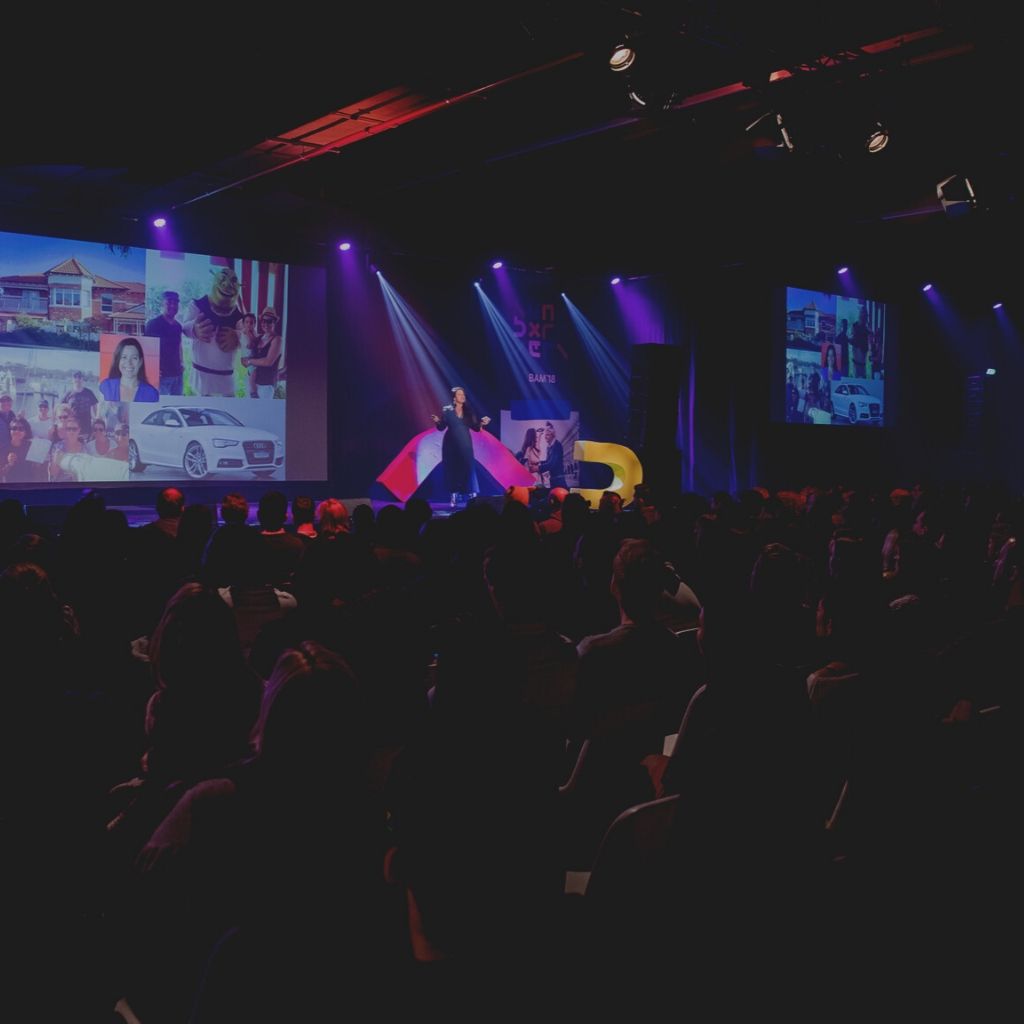
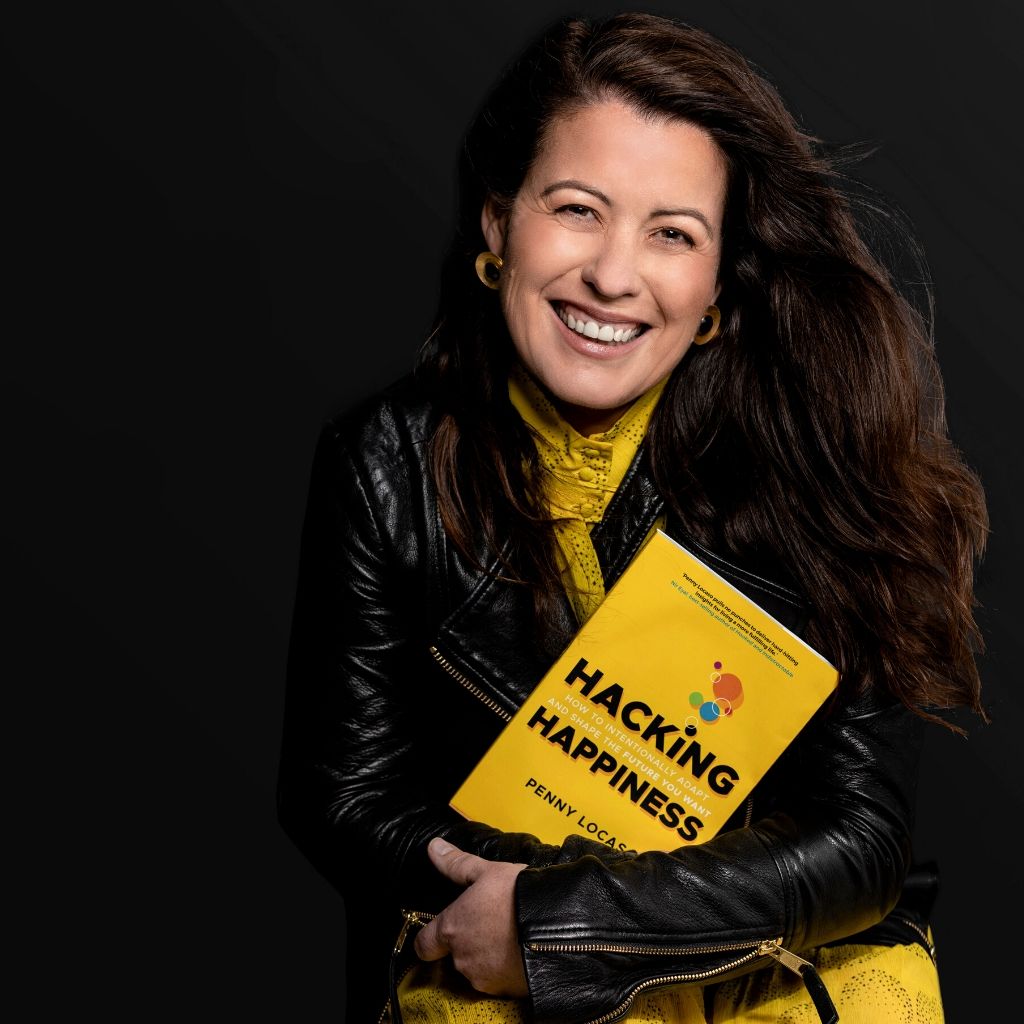
Penny Locaso is a behavioural scientist and leadership advisor supporting senior leaders and organisations to strengthen sound judgement and decision quality in fast-moving, high-consequence environments. Her work explores how leadership systems shape behaviour, ethics, and impact as AI accelerates pace and complexity.